The Importance of Global Education
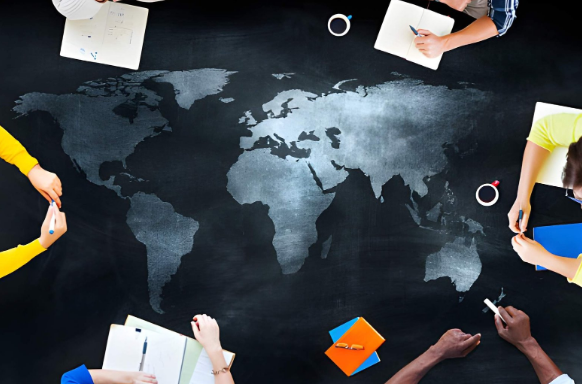
In an increasingly connected world, the importance of global education has never been greater. Technology, international travel, global trade, and digital communication have brought people from different cultures and countries closer together. Today’s https://x888.baby/ students are not only preparing for local careers; they are preparing to live and work in a global society. Global education helps learners understand international issues, appreciate cultural diversity, develop critical thinking skills, and become responsible global citizens.
Global education is more than learning about other countries. It is an approach to teaching and learning that encourages students to understand the world from multiple perspectives. It helps them recognize how social, economic, environmental, and political issues are connected across borders. As the world faces challenges such as climate change, poverty, migration, conflict, and technological change, global education provides the knowledge and skills needed to respond effectively.
What Is Global Education?
Global education is a learning process that focuses on international awareness, cultural understanding, and global responsibility. It introduces students to different languages, traditions, histories, economies, and belief systems. It also encourages them to examine global problems and think about solutions that benefit people and the planet.
In schools, global education may include subjects such as world history, geography, international relations, environmental studies, and foreign languages. It can also involve exchange programs, virtual classrooms, multicultural projects, and discussions about global news. The goal is to help students see themselves as part of a larger world community.
A strong global education does not replace local or national education. Instead, it expands it. Students can learn about their own culture and country while also understanding how they are connected to the rest of the world.
Why Global Education Matters
One of the main reasons global education is important is that it prepares students for the modern workforce. Many companies operate internationally, and employers often look for people who can communicate across cultures, understand global markets, and adapt to different environments. Students with global awareness are better prepared for careers in business, technology, healthcare, education, science, diplomacy, and many other fields.
Global education also promotes empathy and respect. When students learn about different cultures and ways of life, they are more likely to appreciate diversity and challenge stereotypes. This can reduce prejudice and encourage peaceful relationships among communities. In a world where misunderstandings can lead to conflict, cultural understanding is a valuable skill.
Another key benefit is that global education encourages critical thinking. Students learn to analyze complex issues from different viewpoints. For example, when studying climate change, they may explore scientific evidence, economic impacts, political decisions, and the experiences of affected communities. This type of learning helps students become thoughtful problem-solvers rather than passive learners.
Building Global Citizenship
Global education plays a major role in building global citizenship. A global citizen understands that their actions can affect people in other parts of the world. This awareness encourages individuals to make responsible choices, such as reducing waste, supporting fair trade, respecting human rights, and participating in community service.
Global citizenship does not mean losing one’s national identity. Instead, it Khuyến Mãi X88 means recognizing shared human responsibilities. Students learn that while people may come from different backgrounds, they often face similar hopes and challenges. Education can help young people develop a sense of responsibility not only to their own communities but also to the wider world.
Schools and universities can support global citizenship by encouraging students to take part in international projects, volunteer activities, and sustainability programs. These experiences help learners turn knowledge into action.
The Role of Technology in Global Education
Technology has made global education more accessible than ever before. Through the internet, students can connect with classrooms across the world, attend online lectures, explore digital museums, and access international research. Virtual exchange programs allow learners to communicate with peers from different countries without leaving their homes.
Online learning platforms also provide opportunities to study foreign languages, global history, and international issues. Students can watch documentaries, join webinars, and participate in global discussions. These tools make education more interactive and inclusive.
However, technology must be used wisely. Not all students have equal access to digital resources, and misinformation can spread quickly online. Therefore, global education should also teach digital literacy. Students need to learn how to evaluate information, identify reliable sources, and communicate respectfully in online spaces.
Global Education and Cultural Awareness
Cultural awareness is a central part of global education. In diverse societies, people often interact with individuals from different ethnic, religious, and linguistic backgrounds. Understanding cultural differences can improve communication and prevent misunderstandings.
For example, customs related to greetings, food, clothing, and communication styles may vary widely between cultures. A globally educated person approaches these differences with curiosity and respect rather than judgment. This mindset is especially important in workplaces, universities, and communities where diversity is common.
Learning another language is one of the most effective ways to build cultural awareness. Language learning opens the door to new ideas and helps students understand how people from other cultures think and express themselves. Even basic knowledge of a second language can create stronger connections and show respect for others.
Addressing Global Challenges Through Education
The world faces many challenges that cannot be solved by one country alone. Issues such as climate change, pandemics, poverty, food insecurity, and conflict require international cooperation. Global education helps students understand these problems and consider solutions from a worldwide perspective.
For instance, environmental education teaches students how human activity affects ecosystems across the planet. Lessons about public health can show how diseases spread globally and why cooperation is essential. Studies of economics can explain how trade, labor, and resources connect nations.
By learning about these issues, students become better prepared to participate in solutions. They may choose careers in science, public policy, social work, engineering, or education. They may also become informed voters, responsible consumers, and active community members.
How Schools Can Promote Global Education
Schools can promote global education in many practical ways. Teachers can include international examples in their lessons, invite guest speakers from different cultures, and encourage students to research global topics. Classroom discussions can focus on current world events and ethical questions.
Exchange programs and study abroad opportunities are also valuable. These experiences allow students to experience another culture directly. When travel is not possible, virtual exchanges can still create meaningful international connections.
Schools should also create inclusive environments where students from all backgrounds feel respected. Celebrating cultural events, supporting multilingual learners, and teaching accurate world history can help build a more global learning community.
Final Thought
The importance of global education lies in its ability to prepare students for a connected, diverse, and rapidly changing world. It builds cultural awareness, critical thinking, communication skills, and a sense of global responsibility. As international challenges become more complex, education must help learners understand not only their own communities but also the wider world.
Global education is essential for developing future leaders, workers, and citizens who can cooperate across borders and contribute to a more peaceful and sustainable planet. By investing in global education, schools and societies give students the tools they need to succeed in life and make a positive difference in the world.